

Hey there! I'm a supplier of tantalum grounding rings, and today I want to dig into a super interesting topic: how the thickness of a tantalum grounding ring affects its performance.
First off, let's talk a bit about tantalum. Tantalum is an amazing metal. It's got a high melting point, great corrosion resistance, and good electrical conductivity. That's why it's so popular for making grounding rings. Grounding rings are crucial in electrical systems. They help to safely direct electrical currents to the ground, protecting equipment and people from electrical hazards.
Impact on Electrical Conductivity
One of the key aspects of a grounding ring's performance is its electrical conductivity. When it comes to the thickness of the tantalum grounding ring, it has a direct impact on this property.
A thicker tantalum grounding ring generally has lower resistance. According to Ohm's law (V = IR), for a given voltage, a lower resistance means a higher current can flow through the ring. This is super important in grounding applications because a good grounding ring needs to be able to quickly and efficiently conduct electrical currents to the ground.
Let's say you have a thin tantalum grounding ring. It might have a relatively high resistance. When an electrical fault occurs and a large current needs to be diverted to the ground, the thin ring might not be able to handle the current effectively. It could heat up, and in extreme cases, even melt. On the other hand, a thicker grounding ring can handle higher currents without overheating, ensuring a more reliable grounding system.
Influence on Mechanical Strength
The thickness of the tantalum grounding ring also affects its mechanical strength. A thicker ring is generally stronger and more durable. In real - world applications, grounding rings can be subjected to various mechanical stresses, such as vibrations, impacts, and bending.
A thin grounding ring might be more prone to damage. For example, if there are vibrations in the electrical equipment, a thin ring could crack or break. A thicker ring, however, can better withstand these mechanical forces. This is especially important in industrial settings where equipment is often in constant use and exposed to harsh conditions.
Corrosion Resistance
Tantalum is known for its excellent corrosion resistance. But the thickness of the grounding ring can still play a role in how well it resists corrosion over time.
A thicker tantalum grounding ring has more material to sacrifice in the face of corrosion. Even if the outer layer of the ring starts to corrode, there is still a substantial amount of tantalum left to maintain the integrity of the ring. In contrast, a thin ring might corrode through more quickly, compromising its performance as a grounding device.
Cost - Benefit Analysis
Of course, when considering the thickness of the tantalum grounding ring, cost is also a factor. Thicker rings require more tantalum material, which means higher production costs. As a supplier, I always try to help my customers find the right balance between performance and cost.
If you're in an environment where there are high electrical currents and significant mechanical stresses, a thicker grounding ring might be worth the extra cost. But if the electrical requirements are relatively low and the mechanical conditions are mild, a thinner ring could be a more cost - effective option.
Other Tantalum Products
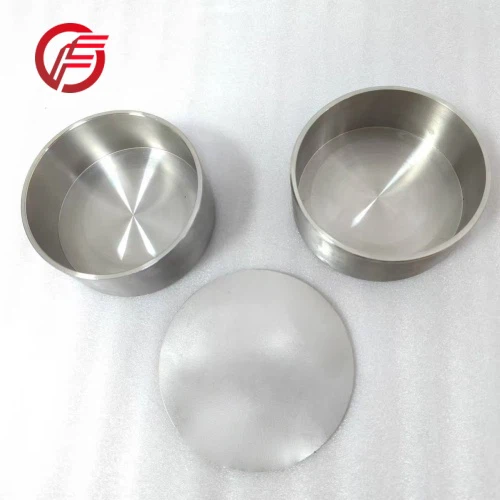
If you're interested in tantalum, we also offer other high - quality tantalum products. Check out our Tantalum Plate. These plates are made of high - purity tantalum and are suitable for a wide range of applications. We also have High Corrosion Resistance High Purity Tantalum Crucibles, which are perfect for use in high - temperature and corrosive environments. And for those who need small-diameter tubes, our Tantalum Capillary Tube Micro Tube is a great choice.
Conclusion
In conclusion, the thickness of a tantalum grounding ring has a significant impact on its performance. It affects electrical conductivity, mechanical strength, and corrosion resistance. As a supplier, I understand that different customers have different needs. Whether you need a thick ring for high - stress applications or a thin ring for cost savings, I'm here to help you make the right choice.
If you're interested in our tantalum grounding rings or any of our other tantalum products, don't hesitate to reach out for a purchase negotiation. We're committed to providing you with the best products and services.

References
- Ohm, Georg Simon. "Die galvanische Kette, mathematisch bearbeitet." (1827).
- Handbook of Tantalum and Niobium Science and Technology. Edited by Y. Waseda et al. (2003).


